
Brain Health: What to Eat to Maintain and Improve Mental Fitness and Resilience
The blood-brain barrier only lets certain nutrients through — water, good fats, protein, complex carbohydrates and key vitamins all play a measurable role in cognitive performance, mood and long-term brain health.
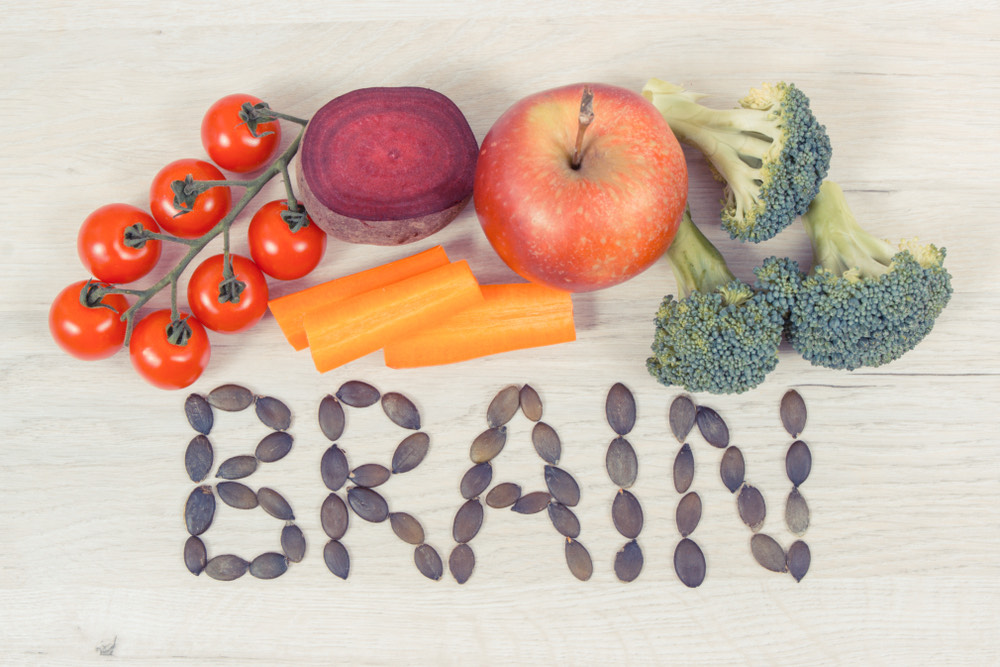
Not all foods that you consume can enter the brain. The ‘blood-brain barrier’, a network of blood vessels, allows only safe and useful elements to enter, including elements vital for brain function: water, nutrients (fats, proteins, carbohydrates), vitamins, and minerals.
Water — at least 2 litres a day
The brain is 80% water, and humans need to consume a minimum of 2 litres a day (8 x 8oz cups), more if active, in a hot environment, or older. Dehydration occurs relatively quickly when consumption is 3–4% below the optimum, and this can lead to accelerated brain shrinkage associated with ageing and dementia.
Research shows that drinking 8–10 cups a day boosts cognitive performance and mood by 30% (Benefer et al. 2013), as well as faster reaction times (Edmonds et al. 2013). Water-rich foods include strawberries, cucumber, melon, and celery. At least one litre should ideally be consumed neat — spring or filtered water containing minerals, salts, and sulphur products is best.
Fats — increase the ‘good’, reduce the ‘bad’
‘Bad’ fats include saturated fats (bacon, cheese, cream, beef, pork, lamb) and trans fats (spreads, takeaways, processed meats and baked goods). They reduce oxygen flow to the brain, affecting its performance (Okereke et al. 2012), and increase the risk of dementia (Barnard et al. 2014). Trans fats should be eliminated from the diet; saturated fat consumption should be greatly reduced and, where possible, sourced from fish, eggs, and plant sources — nuts, avocado, coconut oils.
Good fats have been shown to improve brain function and reduce brain shrinkage (Bazinet & Laye, 2014). They include MUFAs (monounsaturated fatty acids) and PUFAs (polyunsaturated fatty acids, also known as Essential Fatty Acids), which must be obtained through food since they cannot be manufactured in the body.
MUFAs correlate with better cognitive function and reduced risk of Alzheimer’s (Morris et al. 2014) — sources include olive oil, olives, nuts, seeds, avocados, milk, wheat, and oats. A key component of the Mediterranean diet is extra virgin olive oil, a powerful antioxidant.
PUFAs include Omega-3 and Omega-6, both crucial to brain health. Omega-6 is found in sunflower, safflower, corn, soy, sesame, nuts, seeds, meat, poultry, fish and eggs, and supplementation is rarely needed. Omega-3, a structural fat, makes up a large part of the brain — it helps with mental clarity and protects against neurological disorders like Alzheimer’s. Low consumption has been linked to poor memory, poor focus, poor time management and accelerated brain shrinkage (Pottala et al. 2014).
Optimum omega-3 consumption is 4–6g/day; rich sources include flaxseed oil, salmon, mackerel, sea bream, sea bass, cod, black caviar, eggs, algae, almonds, walnuts, chia, wheat germ, spirulina, oats, sardines, soy, and sunflower seeds. Ideally fish should be wild not farmed, since it has a higher Omega-3 content and fewer contaminants.
Omega-3 and Omega-6 regulate inflammatory responses in the brain, maintaining the right environment for neurons to function. For optimal health they should be consumed in a 1:2 ratio, though some estimates put average American consumption as low as 1:20–30 (Norton et al. 2014). One way to address this balance is by swapping omega-6 oils (peanut, corn, sesame, sunflower) for omega-3s (flaxseed oil, hemp oil).
Antioxidants — eat plenty of vegetables
When energy is produced in the brain, free radicals form which can damage neurons, accelerating brain ageing and dementia. Antioxidants, obtained mainly from diet, remove these harmful free radicals. Common dietary antioxidants include vitamin E (almonds, flaxseed, avocado), vitamin C (citrus, berries, vegetables, artichoke), and carotenoids found in carrots, kale, sweet potatoes, including the powerful antioxidant lycopene (tomatoes, red peppers). Other sources include organic sulphides (garlic), vitamin A (liver), caffeine, and polyphenols (walnuts, red wine).
Protein — growth, repair and neurotransmitters
The amino acids that make up protein synthesise muscle tissue, produce hormones, regulate enzymes, and support immune function. They also act as neurotransmitters for the brain, signalling and processing information between neurons. A shortage of amino acids affects cognitive performance and mental capacity. Common amino acids include:
- Tryptophan — used to produce serotonin, responsible for memory, mood, and sleep. Sources: chia, 70%+ dark chocolate, whole milk, yogurt, pumpkin seeds.
- Tyrosine — used to produce dopamine, responsible for reward-motivated behaviour. Sources: nuts (almonds), avocados, bananas, dairy, poultry and meats, fish, oats, lima beans, pumpkin/sesame seeds.
- Glutamate — plays a major role in memory, mood, and learning. Sources: fish, cheese, eggs, mushrooms, bone broth, asparagus, and milk.
- GABA (gamma-aminobutyric acid) — calms the brain and reduces anxiety. Sources: cruciferous vegetables (cauliflower, cabbage, broccoli), tea, brown rice, adzuki beans, soy, sweet potatoes, tomatoes, mushrooms, lentils, yogurt, halibut, shrimp, nuts, bananas, and berries.
Carbohydrates — the main fuel source
‘Good carbohydrates’ — glucose is the brain’s energy source; rich sources are honey, beets, wholewheat bread, grapes, onions, kiwi, turnips, spring onions and apricots. ‘Bad carbohydrates’ — highly processed snacks (cookies, pastries), refined rice and flour, and sugar-sweetened beverages can cause high blood sugar which damages the brain, leading to decreased memory, accelerated brain shrinkage (Tiehius et al. 2014) and dementia.
Vitamins — vital for neurotransmission and cognitive performance
Neurotransmitters require Vitamins C, E, K, B12, B6, B9 (folate) and choline for their production and function. Recent research shows vitamin K prevents Alzheimer’s-related cell death, with a direct correlation between vitamin K levels and cognitive performance (Alisi et al. 2019).
- Choline — important in memory and mood, found in eggs, caviar, fish, organ meat, shiitake mushrooms, wheatgerm, quinoa, peanuts, almonds, marmite, and chicken. Deficiency can lead to Alzheimer’s.
- B6 — supports the function and creation of neurotransmitters; found in garlic, fish, chicken, turkey, sunflower seeds, pistachios, sweet potatoes, green leafy veg, bananas, royal jelly, bee pollen, and wholegrains.
- B9 & B12 — important in memory performance; abundant in shellfish, lentils, tofu, spinach, avocado, and salmon.
- Vitamins C, E & K — found in fruit, vegetables, sweet potatoes, soybean, nuts and seeds; reduce cell ageing and cell death.
Other elements important to brain function
- Flavonoids — found in berries, apples, cacao beans, red grapes, red wine.
- Minerals — iron, copper, zinc; sufficient quantities are present in a healthy diet.
- Turmeric — the active ingredient, curcumin, has anti-inflammatory and antioxidant properties that can improve memory and promote overall brain health.
- Herbs — Ginkgo biloba improves memory and function by thinning blood and improving oxygen flow to the brain; Panax Ginseng improves cognitive function, attention, and memory (Tan et al. 2015).
- BDNF (brain-derived neurotrophic factor) — responsible for neuron production, this can be downregulated by sugars, saturated fats, and alcohol.
The best global brain diets
Five global regions have been identified as possessing the highest concentration of centenarians, known as ‘blue spots’ — Sardinia, Italy; Ikaria, Greece; Okinawa, Japan; Nicoya, Costa Rica; and Loma Linda, California. Whilst they differ in content, their diets share common themes: no/low quantities of red meat, dairy and soda; high amounts of nutrient-dense foods (greens, fish, wholegrains, beans, starches such as sweet potato, vegetable oil); fruit, dark chocolate and red wine; and coffee, tea, nuts and seeds.
Recent evidence confirms that addressing the unhealthy eating that can lead to heart disease and type 2 diabetes could prevent over a third of all Alzheimer’s cases worldwide (Norton et al. 2014), and prevent or minimise the cognitive problems that occur with age.
Conclusion
For optimum brain health and resilience, prioritise a nutrient-dense diet rich in omega-3 fatty acids, antioxidants, and whole foods to actively nourish your brain, sharpen cognitive function and protect against memory decline.
Book a discovery call to find out how the ResilienceBuilder® five-facet model brings physical foundations like nutrition into a measurable resilience programme.