
Resilience: the key to sustaining performance under pressure and change.
Data-driven resilience assessment with targeted training for individuals, leaders, and teams.
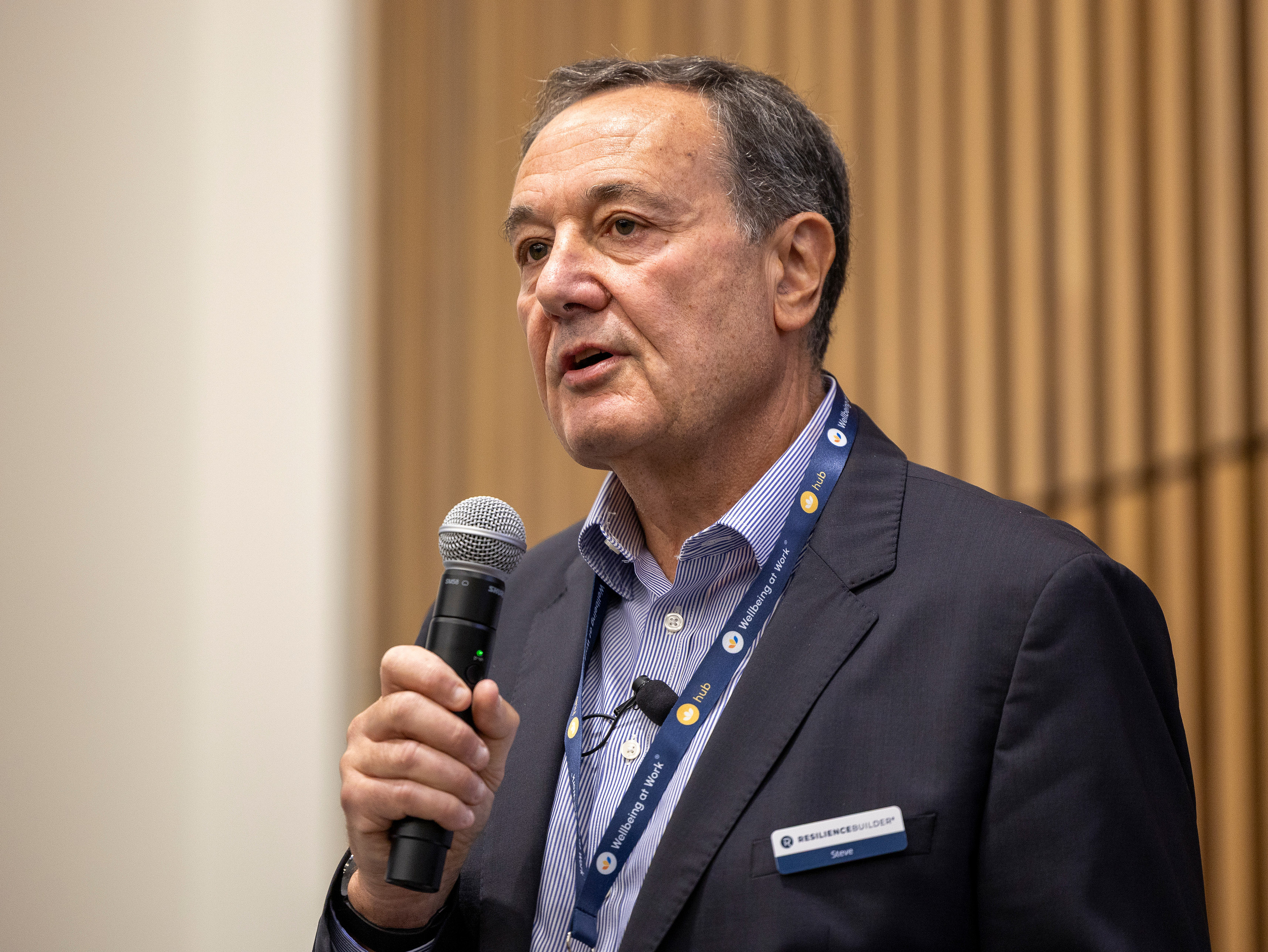
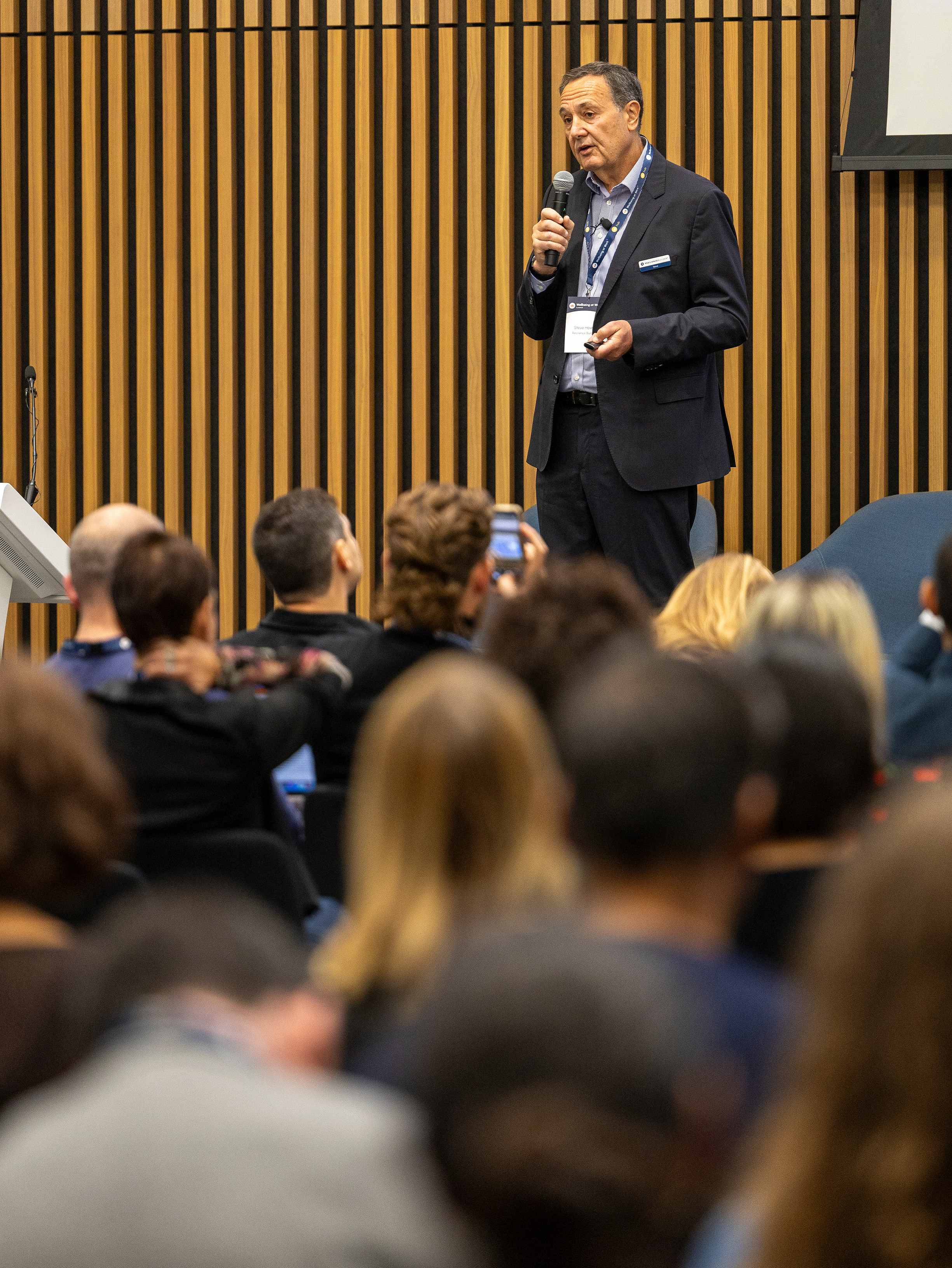
Three ways to work with us.
Every engagement starts with the same Assessment. What changes is the audience and the format, shaped by the data and your requirements.
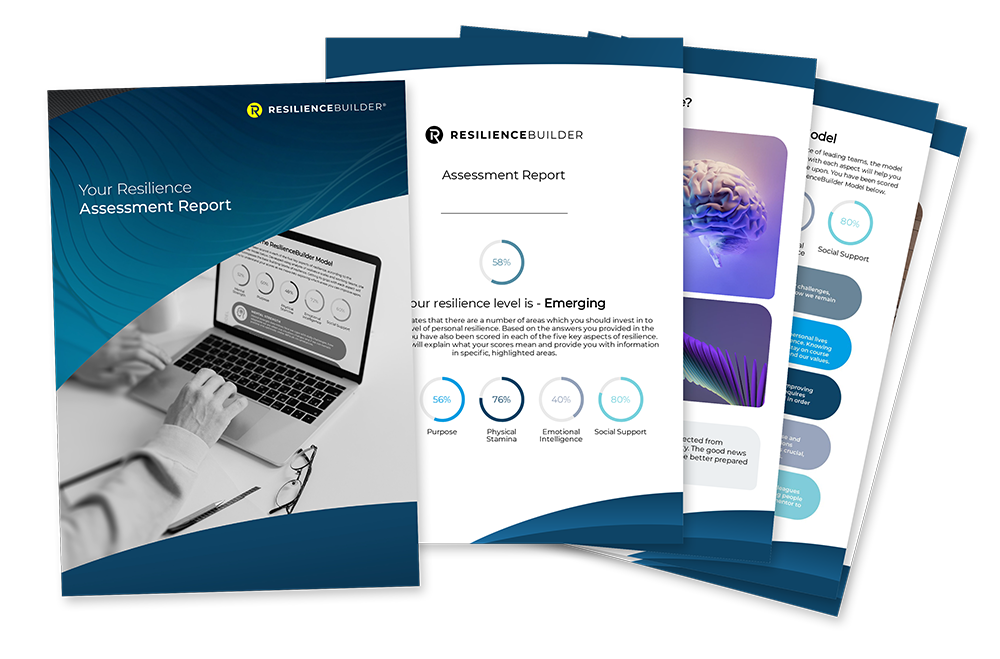
The ResilienceBuilder® Assessment and Report
A validated psychometric across the five facets. Personalised individual report. Anonymised team analytics. The starting point for every engagement.
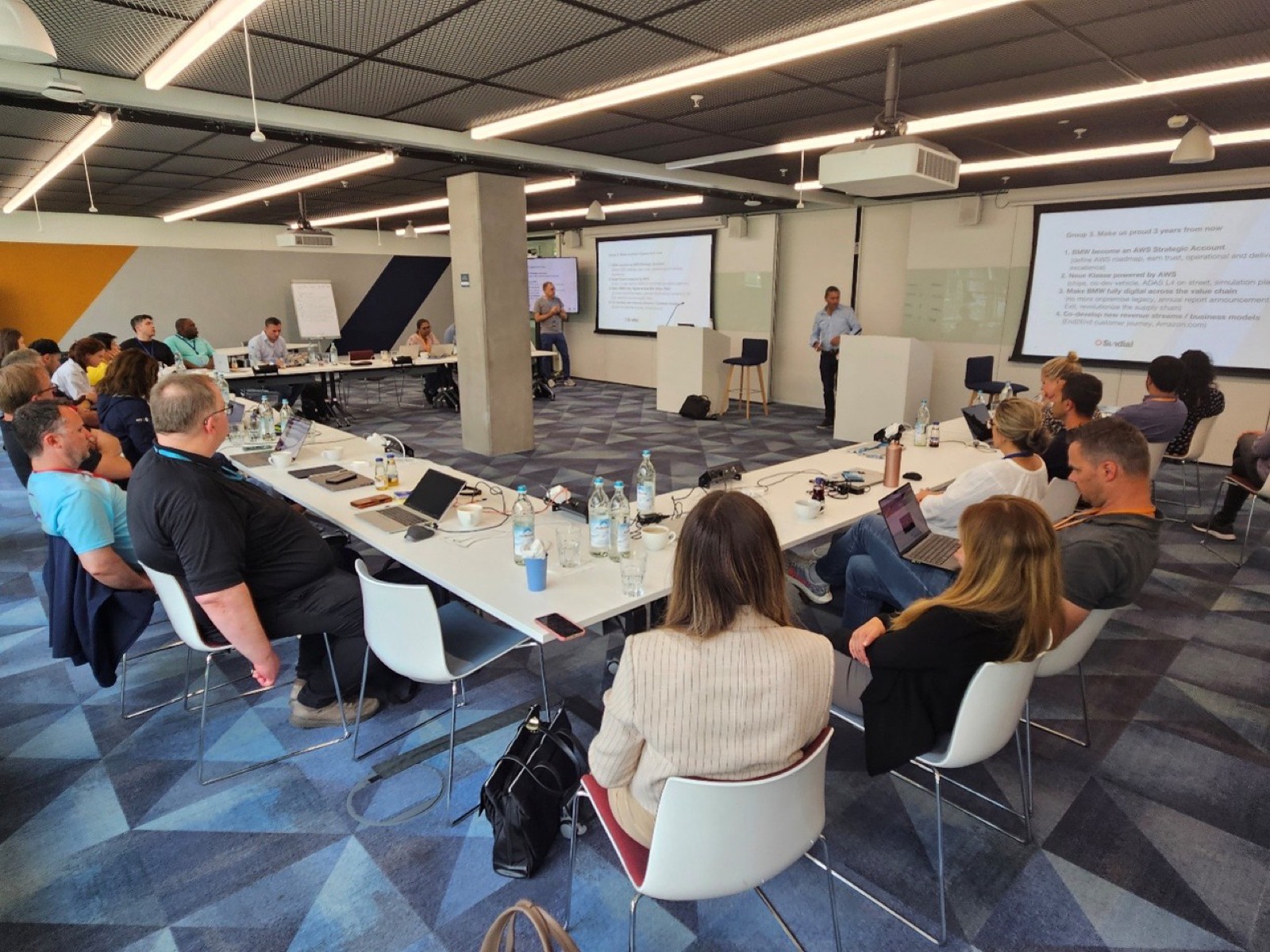
Workshops and Training
Targeted, customised resilience training for teams, leaders, top talent, and whole organisations. Shaped by the Assessment data, not a generic curriculum.
Become a Certified ResilienceBuilder® Coach
Licence to deliver the Assessment and the five-facet model inside your own coaching practice or in-house L&D team.
Resilience training is more effective when the causes of low resilience are identified and then targeted.
Our data-driven approach starts with the ResilienceBuilder® Assessment Tool and creates a personalised report for each individual with recommendations for personal development and growth. At a team level, data insights identify common challenges, which are targeted during our customised workshops with interactive discussion, best practice and practical tools and exercises.
- 01 Evidence-based assessment tool, validated across five facets.
- 02 Personalised report for every individual with recommendations for personal development.
- 03 Group Level analytics to identify common challenges across teams, groups and organisations.
- 04 Workshops shaped by the data, not by a generic curriculum.
- 05 Optional certification: deliver the same model inside your own practice or L&D team.
Resilience – the Protective Factor that keeps people performing when pressure rises.
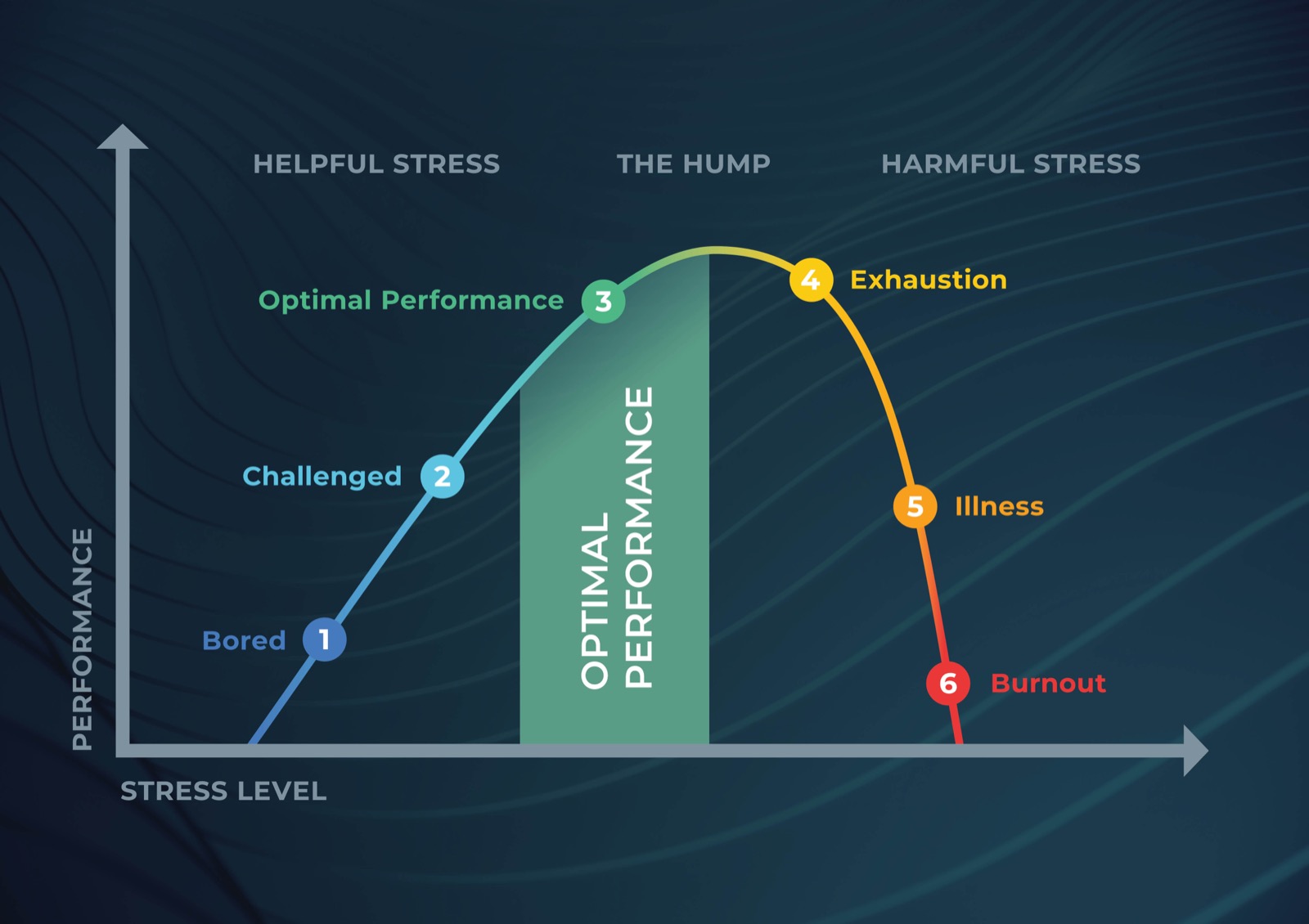
Levels of stress, illness and burnout continue to rise globally, impacting performance, wellbeing and engagement. Resilience acts as a protective factor across the stress-versus-performance curve, increasing the probability of optimal performance and reducing the probability of burnout.
The World Economic Forum’s Future of Jobs Report (2025) identified resilience as a core future skill, alongside AI and leadership development, by 2030.
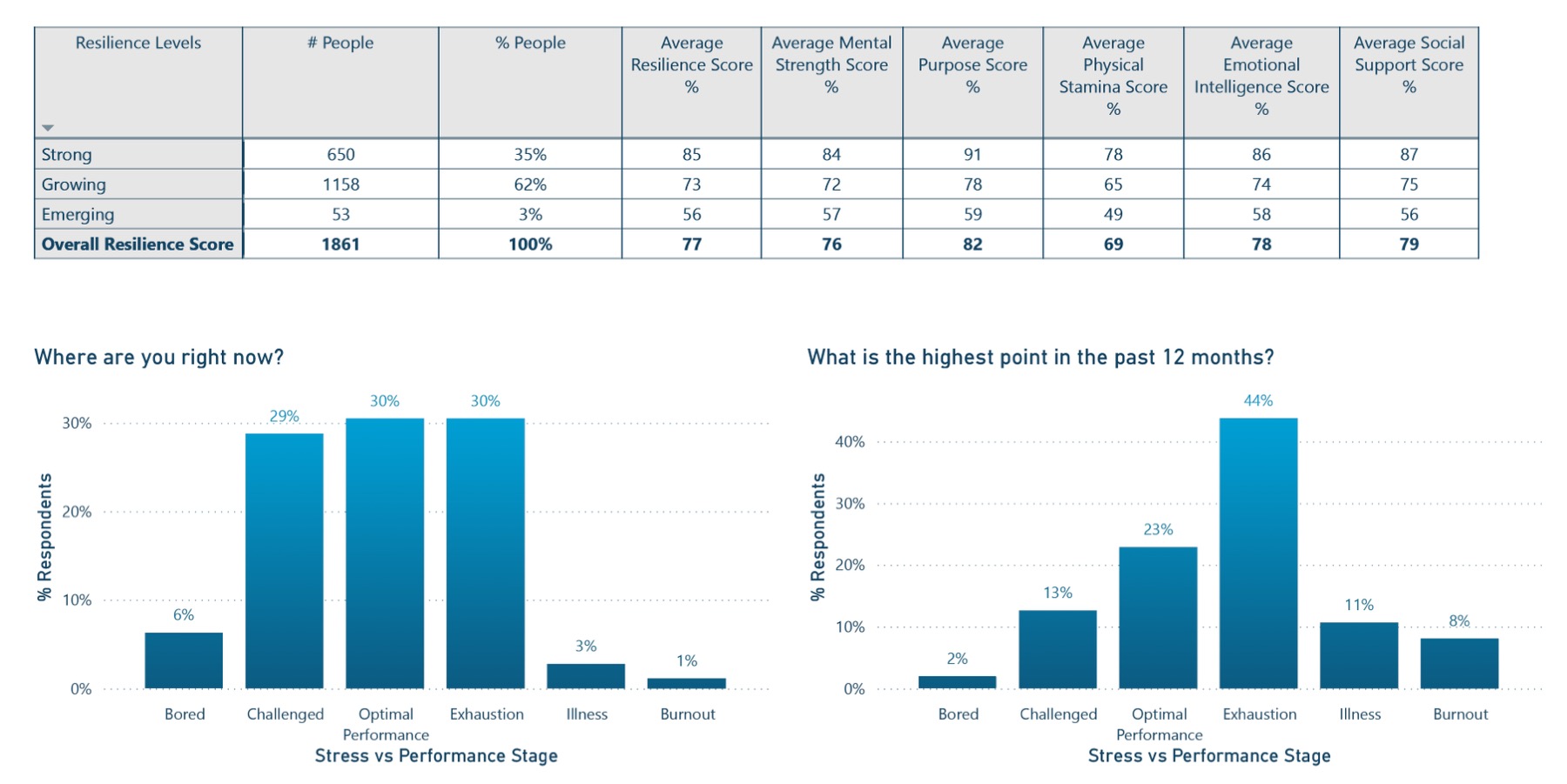
- 9xHighly resilient people are more likely to be in the optimal performance zoneResilienceBuilder® Research 2026
- 0.3%Chance of highly resilient people experiencing burnoutResilienceBuilder® Research 2026
- 70%The probability of people with low resilience experiencing exhaustion, illness or burnoutResilienceBuilder® Research 2026
Five facets of resilience.
Based on extensive academic research to identify the factors associated with highly resilient people and effective stress management. Each facet is measurable, and individually developable, and together they help us sustain performance under pressure and change.
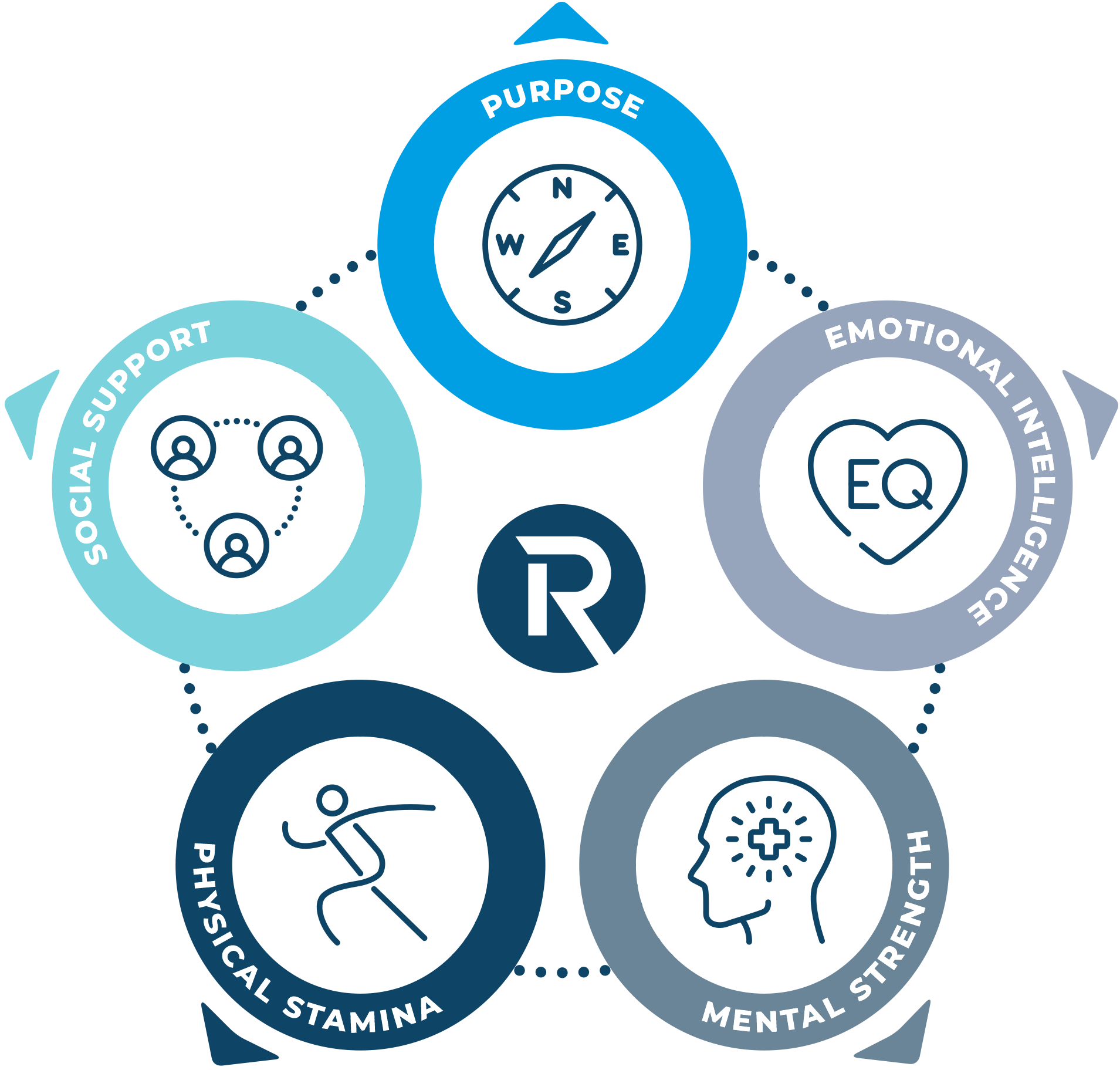
Mental Strength
Cognitive habits that help us navigate daily challenges, sustaining performance under pressure and adapting to change.
Purpose
The why that sustains effort and speeds recovery.
Physical Stamina
Work/life balance, sleep, recovery, exercise and energy management, the foundation the rest stands on.
Emotional Intelligence
Self-awareness and empathy under load, and how individuals and teams behave when things go wrong.
Social Support
Having a strong social support network of family, friends and colleagues who we can turn to when things get tough.
Trusted by organisations globally.
From SME to FTSE 250, across multiple sectors including financial services, healthcare, the public sector, professional services and technology, in the UK and globally.
What clients and certified coaches say.
“ResilienceBuilder® helped us identify individual and team challenges, and equipped us with practical tools to address them. It’s had a positive impact on the way we work together, especially in a fast-paced, high-pressure environment. I’d highly recommend it to other leaders and teams.”
 Director AWS Automotive
 “Steve Howe’s session at our Global IT Conference proved to be both impactful and inspiring. The keynote was of outstanding quality and resonated strongly with the audience, with many participants explicitly naming it as a highlight of the event. The practical exercises and interactive elements encouraged active participation, meaningful exchange, and immediate application of the concepts – ensuring a lasting positive effect beyond the conference itself.”
 Senior Manager Vorwerk
 “The ResilienceBuilder® Tool provides individuals and leaders with actionable insights for personal development and organizational change. That’s a powerful combination. I have delivered numerous ResilienceBuilder® workshops for leaders and teams using the comprehensive library of researched materials and exercises and seen first hand the positive impact it delivers.”
 Anne Collier CEO · Arudia Leadership and Management Academy
 Where do you fit?

I run HR, L&D or Wellbeing
Incorporate resilience assessment and training into your leadership development, talent management and company wide programmes.

I am a leader
Assess, train and track resilience across your team, personal reports for individuals and team analytics.

I want to get certified
Full licence to deliver the Assessment, the five-facet model, and a community of certified practitioners.
The return on building resilience.
Resilience is no longer just a wellbeing initiative, it is a strategic driver of performance. The published evidence base shows measurable returns on sickness days, attrition, engagement and sustained performance.
Reduction in absenteeism after structured resilience training.
BT 'Work Fit' Programme
Increase in employee retention following resilience training.
Google Wellness at Work Programme
Increase in job satisfaction following resilience training.
Google Wellness at Work Programme
Increase in productivity following resilience training.
Unilever 2020 Wellbeing Roadmap
The short version.
What is ResilienceBuilder®?
ResilienceBuilder® is an evidence-based, data-driven assessment tool that measures an individual’s level of resilience and provides recommendations for development through a personalised report. Data is anonymised across groups, teams and organisations to provide targeted training through workshops and coaching.
What is ResilienceBuilder®?
ResilienceBuilder® is an evidence-based, data-driven assessment tool that measures an individual’s level of resilience and provides recommendations for development through a personalised report. Data is anonymised across groups, teams and organisations to provide targeted training through workshops and coaching.
What is resilience training?
Resilience training helps people develop the skills and habits needed to manage stress, adapt to change, and perform effectively under pressure. It builds capabilities such as adaptability, emotional regulation, energy management, and positive coping strategies, helping individuals recover from setbacks more quickly, maintain wellbeing, and sustain performance over time.
What is resilience training?
Resilience training helps people develop the skills and habits needed to manage stress, adapt to change, and perform effectively under pressure. It builds capabilities such as adaptability, emotional regulation, energy management, and positive coping strategies, helping individuals recover from setbacks more quickly, maintain wellbeing, and sustain performance over time.
What makes resilience training more effective?
Resilience training is more effective when it identifies and addresses the root causes of low resilience. Assessing individual and team resilience levels before training allows organisations to tailor interventions where they’re most needed — delivering far better results than one-size-fits-all approaches.
What makes resilience training more effective?
Resilience training is more effective when it identifies and addresses the root causes of low resilience. Assessing individual and team resilience levels before training allows organisations to tailor interventions where they’re most needed — delivering far better results than one-size-fits-all approaches.
How do you measure resilience in the workplace?
Use an evidence-based, data-driven assessment tool that evaluates the key factors that influence how people respond to pressure, change, and challenges. It should provide insights at the individual, team, and organisational level, helping identify strengths, development needs, and potential risks such as stress and burnout.
How do you measure resilience in the workplace?
Use an evidence-based, data-driven assessment tool that evaluates the key factors that influence how people respond to pressure, change, and challenges. It should provide insights at the individual, team, and organisational level, helping identify strengths, development needs, and potential risks such as stress and burnout.
What makes ResilienceBuilder® different?
ResilienceBuilder® identifies the causes of low resilience and targets those areas through coaching and workshops rather than a generic training approach. Using a data-driven approach, training can be customised and targeted at an individual, team and organisation level.
What makes ResilienceBuilder® different?
ResilienceBuilder® identifies the causes of low resilience and targets those areas through coaching and workshops rather than a generic training approach. Using a data-driven approach, training can be customised and targeted at an individual, team and organisation level.
Why is resilience training important?
Globally, levels of stress, illness and burnout continue to rise in an environment of constant change and uncertainty, impacting absenteeism, staff turnover, engagement and performance. Resilience training helps people develop the skills needed to adapt, manage pressure, maintain wellbeing and sustain performance when demands are high. The World Economic Forum’s Future of Jobs Report 2025 identified resilience, flexibility, and agility as critical skills for success alongside AI and leadership by 2030.
Why is resilience training important?
Globally, levels of stress, illness and burnout continue to rise in an environment of constant change and uncertainty, impacting absenteeism, staff turnover, engagement and performance. Resilience training helps people develop the skills needed to adapt, manage pressure, maintain wellbeing and sustain performance when demands are high. The World Economic Forum’s Future of Jobs Report 2025 identified resilience, flexibility, and agility as critical skills for success alongside AI and leadership by 2030.
Does resilience training work?
Organisations who have implemented resilience training programmes typically see a return of a 25% decrease in absenteeism, 25% increase in retention, 22% increase in productivity and 25% increase in employee satisfaction.
Does resilience training work?
Organisations who have implemented resilience training programmes typically see a return of a 25% decrease in absenteeism, 25% increase in retention, 22% increase in productivity and 25% increase in employee satisfaction.
What aspects of resilience does ResilienceBuilder® measure?
The ResilienceBuilder® model takes a holistic approach to resilience by measuring five different facets: Mental Strength, Purpose, Physical Stamina, Emotional Intelligence and Social Support.
What aspects of resilience does ResilienceBuilder® measure?
The ResilienceBuilder® model takes a holistic approach to resilience by measuring five different facets: Mental Strength, Purpose, Physical Stamina, Emotional Intelligence and Social Support.
How is ResilienceBuilder® used in an organisation?
ResilienceBuilder® is used by individuals, groups and teams, organisation-wide and as part of leadership development and talent management programmes. Data can be segmented across the organisation to identify specific training needs for each team or group of people.
How is ResilienceBuilder® used in an organisation?
ResilienceBuilder® is used by individuals, groups and teams, organisation-wide and as part of leadership development and talent management programmes. Data can be segmented across the organisation to identify specific training needs for each team or group of people.
How is ResilienceBuilder® training delivered?
ResilienceBuilder® training is typically delivered through face-to-face and virtual workshops focused on teams, groups of leaders, and top talent, using data to customise and target the workshop content — all starting with the ResilienceBuilder® Assessment and Report. 1:1 coaching and ongoing learning through best-practice materials, exercises and videos are also available to continue the learning journey. Company-wide resilience programmes can be customised using some or all of these services.
How is ResilienceBuilder® training delivered?
ResilienceBuilder® training is typically delivered through face-to-face and virtual workshops focused on teams, groups of leaders, and top talent, using data to customise and target the workshop content — all starting with the ResilienceBuilder® Assessment and Report. 1:1 coaching and ongoing learning through best-practice materials, exercises and videos are also available to continue the learning journey. Company-wide resilience programmes can be customised using some or all of these services.
How can organisations prevent burnout?
Research by Gallup shows that burnout is influenced not only by workload, but also by factors such as unfair treatment, lack of role clarity, poor communication and support from managers, unreasonable time pressure, and excessive workload. Organisations can reduce burnout by addressing these workplace factors while also helping employees build resilience. Using tools such as ResilienceBuilder®, organisations can identify the root causes of stress and burnout, target interventions more effectively, and help people sustain performance, wellbeing, and engagement over time.
How can organisations prevent burnout?
Research by Gallup shows that burnout is influenced not only by workload, but also by factors such as unfair treatment, lack of role clarity, poor communication and support from managers, unreasonable time pressure, and excessive workload. Organisations can reduce burnout by addressing these workplace factors while also helping employees build resilience. Using tools such as ResilienceBuilder®, organisations can identify the root causes of stress and burnout, target interventions more effectively, and help people sustain performance, wellbeing, and engagement over time.
Is there a ResilienceBuilder® Coach certification?
Yes. Independent coaches, training providers and in-house HR and L&D professionals can be certified to deliver the ResilienceBuilder® Assessment and the training and workshop programme.
Is there a ResilienceBuilder® Coach certification?
Yes. Independent coaches, training providers and in-house HR and L&D professionals can be certified to deliver the ResilienceBuilder® Assessment and the training and workshop programme.
State of the Workplace — The Gen Z Shift
How resilience sustains performance under pressure and change. By 2030, Generation Z will make up around 30% of the global workforce. Our latest report examines what that shift means for stress, burnout, sickness absence and attrition — and what actually works in response.
Read the researchBook a discovery call.
Thirty minutes with Steve Howe. Walk-through of the model, a sample report, and a plan for rolling the Assessment into your business.
ResilienceBuilder® is a UK head-quartered, assessment-led resilience development practice. The ResilienceBuilder® Assessment, associated training, coaching, and coach certification are delivered by ResilienceBuilder® and associates globally.
Legal and Registration
ResilienceBuilder® is 100% owned by Steve Howe Consulting Ltd (SHCL), a company registered in the United Kingdom, Company Number 11027854.
Standards and Data
Operates under UK GDPR and the Data Protection Act 2018. Individual reports are confidential to the individual; organisations receive anonymised group data for analytics and targeted training purposes. Steve Howe Consulting Ltd is a certified Cyber Essentials provider.
Research and Methodology
The ResilienceBuilder® Model is a five-facet framework built on extensive published research into the factors associated with resilience and effective stress management.