
Food for Thought: Improving and Maintaining Mental Fitness for Building Resilience
Our own research found 85% of highly resilient people rate healthy eating as a strength, versus just 33% of those with lower resilience — here’s the evidence on water, fats, protein and antioxidants for memory, mood and cognitive performance.
In our recent survey of around 350 people in the technology sector using the ResilienceBuilder® Assessment Tool, we found that 85% of respondents with high levels of resilience had healthy eating and nutrition as a key strength, compared to 60% of people with average levels of resilience and 33% of respondents with lower levels of resilience.
We have previously discussed the positive effect of exercise on our resilience through its impact on cognitive function (see Healthy Body, Healthy Mind: Can Exercise Increase Resilience?). Nutrition also has a significant impact on our cognitive function and hence our resilience. Certain foods contribute to the increased production of the neurotransmitter modulator BDNF, which plays a critical role in cognitive function, memory, and learning, through the creation of neural networks and synaptic plasticity. Other foods can downregulate BDNF, which can result in altered mood, impaired perception, and poor cognition.
What we eat and drink can therefore have a real impact on our cognitive abilities, both short and long term. Here are the key ingredients to improving your memory, concentration, focus, brain health and ultimately your resilience.
Cognitive performance, brain ageing, dementia and mood
Drink more water — over 2 litres a day. Research shows that drinking 8–10 cups a day boosts cognitive performance and mood by 30%. Consuming 3–4% below the optimum can lead to accelerated brain shrinkage associated with ageing and dementia. Around a fifth of your daily fluid intake comes from your food — try to include water-rich foods such as strawberries, cucumber, tomatoes, spinach, broccoli, brussels sprouts, oranges, blueberries, mushrooms, melon, and celery in your diet.
Mental clarity, Alzheimer’s disease and brain cell function
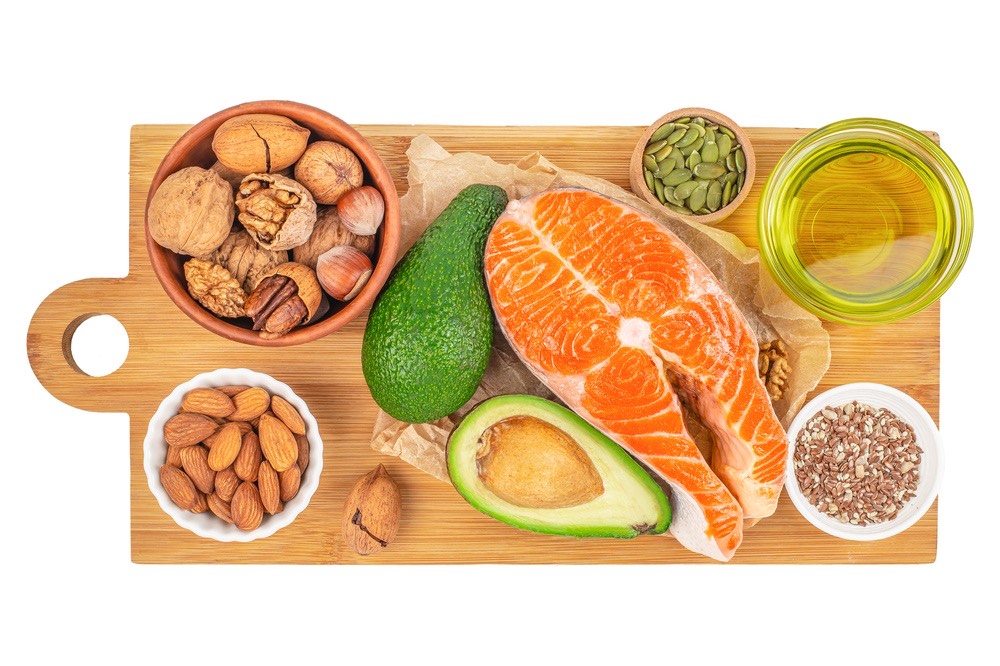
Increase your intake of foods containing unsaturated fats, especially omega-3, such as salmon, mackerel, sardines, flaxseed, nuts, wheatgerm, soy and oats, linked to mental clarity, brain cell functioning, and protection against Alzheimer’s. Low consumption of omega-3 has been linked to poor memory, poor focus, poor time management, and accelerated brain shrinkage. Other great sources include olive oil, seeds, avocados, and milk.
Memory and blood flow to the brain
Increase your intake of antioxidants including vitamin E (almonds, flaxseed, avocado), vitamin C (citrus, berries, vegetables, artichoke), carotenoids found in carrots, sweet potatoes, tomatoes and red peppers, and flavonoids (red wine, onions, tea, kale, curcumin), shown to improve memory, delay short-term memory loss, and boost blood flow to the brain, promoting better cognitive function.
Cognitive performance and mental capacity
Eat proteins such as eggs and chia, necessary for transmitting and processing information — shortages affect cognitive performance and mental capacity. Chia, dark chocolate, milk, yogurt, pumpkin seeds, fish, cheese, eggs, mushrooms, bone broth and asparagus enhance memory, mood, sleep, and motivation; almonds, avocados, bananas and chicken enhance reward-motivated behaviour; cruciferous vegetables, tea, brown rice, adzuki beans, soy, sweet potatoes, tomatoes, lentils, yogurt, shrimp and berries calm the brain and reduce anxiety.
The gut-brain barrier and mood
There is a close link between the brain and digestive tract, so it is equally important to eat foods that support digestion, such as ginger, turmeric, fermented foods (sauerkraut, kombucha, kefir), chia, bone or vegetable broth, and sweet potatoes, as well as foods that enhance mood and mental outlook (salmon, dark leafy greens, turkey, lentils, eggs, sardines, peppers, avocado, almonds, dark chocolate, sunflower seeds, ghee).
Culinary adaptogens also boost mood and aid sleep, both factors that increase resilience — try incorporating some of the following teas into your diet:
- Passionflower lowers blood pressure and, like jasmine, promotes relaxation and sleep.
- Maca helps relieve stress, boost energy levels and balance hormones.
- Lavender has a calming and sedative effect and helps relax muscles.
- Matcha increases focus and concentration.
- Echinacea stimulates the immune system.
- Ashwagandha relieves stress, calms the mind, and boosts energy levels.
The brain’s energy source
Increase intake of ‘good’ carbohydrates — the brain’s energy source — by including rich sources such as raw honey, beets, wholewheat bread, grapes, onions, kiwi, turnips, spring onions and apricots.
Brain health, cell death and memory
Get a wide range of the vitamins essential for brain health (C, E, K, B12, B6, B9, choline). Deficiencies can lead to reduced cognitive performance, poor memory, and brain cell death. Select from eggs, caviar, fish, organ meat, shiitake mushrooms, wheatgerm, quinoa, peanuts, almonds, poultry, garlic, seeds, pistachios, sweet potatoes, green leafy veg, bananas, shellfish, lentils, tofu, spinach, avocado, and soybean to maintain your vitamin intake.
Reduce stress
B vitamins help soothe stress, support the nervous system, aid brain health and the formation of neurotransmitters, all vital for maintaining resilience. They are found in many vegetables like dark leafy greens, as well as gluten-free whole grains.
Balance blood sugar to reduce anxiety and improve mood
Skipping meals, eating erratically, or eating sugary snacks can negatively affect blood sugar levels, leading to an imbalance of hormones including stress hormones, making us stressed, anxious, and irritable. Consume complex carbohydrates including wholegrains (quinoa, buckwheat, brown rice), legumes (kidney beans, lentils, chickpeas), starchy vegetables (potatoes, corn), oats and wholegrain bread — they take longer to digest, reduce blood sugar spikes, and provide sustained energy. Combine this with incorporating protein, fat and fibre into every meal and snack to balance blood sugar levels and hormones.
Protect against insulin resistance in the brain
Insulin in the brain regulates food intake and cognitive function, particularly memory. Excessive calorie intake and high-fat diets can cause insulin resistance in the brain and inflammation, which can impact cognitive function and, at its most extreme, cause degenerative disorders such as Alzheimer’s. Consuming the correct amount of calories for you and avoiding saturated fats will not only protect your memory and cognitive function but also reduce your risk of obesity and type 2 diabetes.
Depression
Globally, approximately 5.7% of adults have depression (WHO 2025). Studies show that diet and nutrition play significant roles in the prevention of depression and its clinical treatment. Balanced dietary patterns such as the Mediterranean diet, and certain foods such as fish, fresh vegetables and fruits, are associated with a lower risk of depression or depressive symptoms. Regular intake of dietary antioxidants such as polyphenols or isoflavonoids, found in green tea, soy, tofu, miso, tempeh, and legumes, has also been found to alleviate depression or depressive symptoms. Conversely, high-fat Western diets characterised by high consumption of red and/or processed meat, refined grains, high-fat dairy products, and low intakes of fruit and vegetables are associated with a higher risk of depression or depressive symptoms, as are sugar-sweetened beverages.
Remember, while incorporating these foods into your diet can enhance cognitive abilities, it is important to maintain a balanced and nutritious overall eating plan. Pairing these brain-boosting foods with regular exercise, quality sleep, and mental stimulation can help you maximise your cognitive potential and resilience.
If you have found this article useful, take a look at Brain Health: What to Eat to Maintain and Improve Mental Fitness and Resilience for further information.